

 See My Latest Article on HelloNation
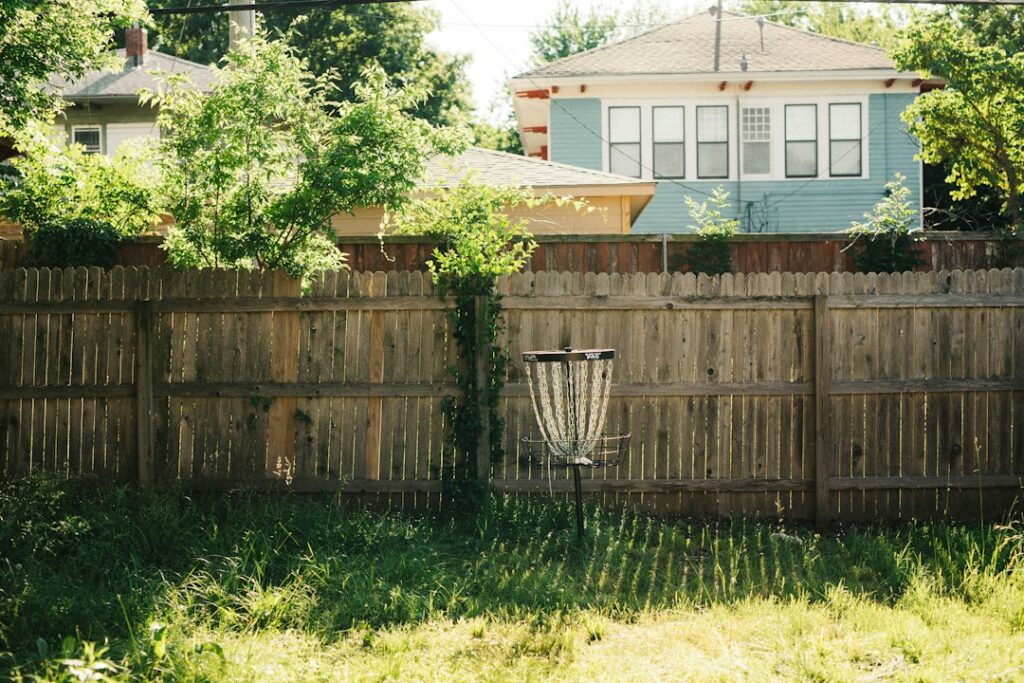
A wooden fence can often be repaired rather than replaced. The right approach depends on whether the damage is limited to boards and fasteners or has reached the posts, rails, or soil around the foundation. In Easton, PA, changing seasons, moisture, freeze-thaw cycles, and summer sun can gradually weaken untreated or aging wood.
How can you tell whether a wooden fence needs repair or replacement?
A fence usually makes sense to repair when most posts are solid, the rails remain attached, and the damage is limited to a few cracked, loose, or rotted boards. Replacement becomes more practical when several posts are unstable, the rails have widespread decay, or the fence leans across a long section.
Inspect the fence from both sides. Look for:
- Boards that are split, bowed, missing, or soft near the ground
- Posts that move when pushed by hand
- Nails or screws that have backed out
- Rails that are cracked or pulling away from posts
- Dark staining, fungal growth, or areas that remain damp
- Sections lifted by frost or pushed out of alignment
- Soil erosion around posts or water collecting at the fence line
A small screwdriver can help test suspicious wood. Sound wood resists light pressure. If the tool sinks easily into a post or rail, the decay may be deeper than the surface suggests.
What should be checked before starting repairs?
Before removing boards or digging around posts, confirm the property line and check whether local rules, neighborhood agreements, or utility-marking requirements apply. A fence that sits close to a boundary may require extra care, especially if an old fence was installed without accurate measurements.
Also examine nearby trees and drainage patterns. Roots may be pushing against posts, while roof runoff or poorly directed water may be keeping the lower boards wet. Repairing the wood without correcting the moisture source often leads to another failure.
Choose a dry stretch of weather. Wood should not be painted or sealed while it is visibly wet, and freshly washed surfaces need enough time to dry thoroughly.
How do you replace a damaged fence board?
Replacing individual boards is one of the simplest wooden fence repairs. Remove the old fasteners carefully so nearby boards and rails are not damaged. If the board is nailed in place, a pry bar and wood block can help protect the surrounding wood.
Measure the opening at several points because older fences are rarely perfectly uniform. Cut a replacement board to match the existing width, thickness, and top profile. Keep a small gap between adjacent boards so the wood can expand and contract with changes in humidity.
Use exterior-rated fasteners that will resist corrosion. Screws are easier to remove during future maintenance, while ring-shank nails can provide strong holding power when installed into sound rails. Fasteners should pass through the board and securely enter the rail without protruding through the back.
If the new board touches the soil, trim it so the bottom remains slightly above grade. Direct ground contact encourages water absorption and decay.
How should a rotted fence post be repaired?
A rotted post generally needs to be replaced rather than patched. Surface filler may improve appearance, but it will not restore the post’s structural strength.
Support the fence section temporarily before removing the damaged post. Once the post is exposed, inspect the surrounding soil. In areas affected by frost, a shallow or poorly compacted footing may allow the post to shift seasonally.
Set the replacement post at a similar height and alignment to the original. The hole should be wide enough to allow proper placement and stable backfilling. Keep the post plumb in both directions while securing it.
The base of the post should be designed to shed water rather than trap it. A compacted drainage layer can help reduce standing moisture, while the finished soil or footing should slope away from the post. Avoid creating a low pocket where water can collect around the wood.
If several posts are rotten or the entire section is moving, replacing the affected run may be more reliable than changing one post at a time.
Can a leaning fence be straightened?
A leaning fence can sometimes be corrected if the posts are intact and the movement is caused by loose soil or a damaged connection. If the post itself is cracked or decayed, straightening it without replacement is unlikely to last.
Remove or loosen the boards and rails enough to reduce the load. Push the post back into position with a brace, then compact the soil around it in layers. Each layer should be tamped firmly rather than filled all at once.
Check the alignment from several angles. A fence may appear straight from one side while still leaning along its length. Reattach rails only after the posts are stable, and replace any fasteners that no longer grip solid wood.

For a fence lifted by frost, the problem may return if the post footing is not corrected. Seasonal ground movement is common in the region, so simply forcing the fence back into place may provide only a temporary result.
How do you clean and prepare old fence wood?
Cleaning removes dirt, mildew, loose coatings, and surface discoloration before repairs are finished. Use a stiff synthetic brush and a suitable exterior wood-cleaning solution. Avoid aggressive pressure that can cut grooves into soft, weathered boards.
Allow the fence to dry fully. Then scrape loose paint or stain and sand sharp splinters or raised fibers. Sanding is intended to smooth rough areas and improve coating adhesion, not to make every board look new.
Do not coat wood that is soft, damp, or actively crumbling. A finish can slow weathering, but it cannot reverse structural decay.
Should a repaired fence be painted or stained?
A penetrating exterior stain or paint can help limit water absorption and protect exposed wood from sunlight. The surface must be clean and dry, and replacement boards should be prepared according to the coating instructions.
Stain usually preserves more of the wood’s texture and may make future touch-ups less noticeable. Paint creates a more uniform appearance but can peel if moisture enters from unsealed edges or from the soil side of the fence.
Pay special attention to:
- Board ends and cut edges
- The tops of posts and rails
- Areas around fasteners
- The lower edges of boards
- Joints where water can remain trapped
A coating should not be used to hide active rot. Replace unsound wood first, then protect the repaired areas.
What maintenance helps a wooden fence last longer?
Routine inspection is more useful than waiting for a section to fail. Check the fence in spring after freeze-thaw movement and again in autumn before prolonged wet weather.
Keep leaves, mulch, and soil from piling against the lower boards. Trim vegetation that prevents airflow or keeps the wood shaded and damp. Redirect downspouts and sprinklers so water does not repeatedly strike the same portion of the fence.
Tighten loose hardware, replace failing boards promptly, and watch for small cracks around post connections. Early repairs are usually simpler because they prevent moisture from reaching rails and posts.
Repairs involving unstable structures, difficult digging, unknown underground lines, or extensive decay may require specialized equipment or safety knowledge. A fence that is close to a public walkway, retaining wall, or electrical equipment deserves extra caution before work begins.