

 See My Latest Article on HelloNation
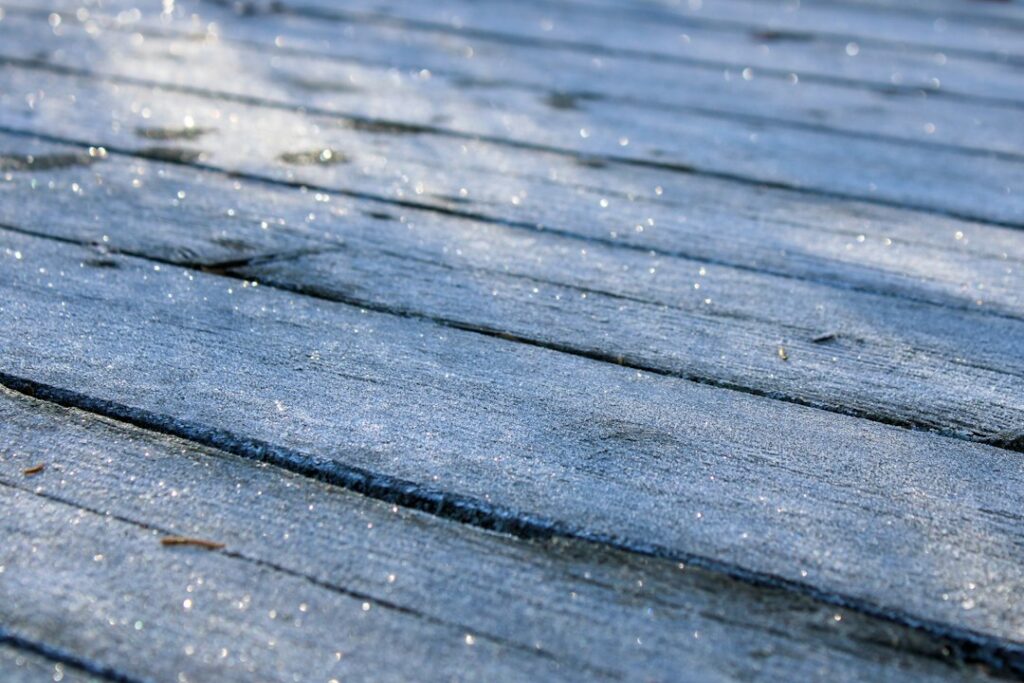
Decks in Easton, PA face several forms of weather stress throughout the year, including strong sunlight, heavy rain, freezing temperatures, snow, ice, and repeated thawing. The most effective protection combines good drainage, regular cleaning, timely sealing, and prompt repairs before minor damage spreads.
What weather causes the most deck damage?
Moisture is usually the main source of deck deterioration, but water damage often develops alongside sun exposure and temperature changes. Rain and melting snow can soak wood, while poor drainage leaves boards damp long enough to encourage swelling, staining, rot, and mildew.
Winter conditions create additional stress. Water enters small cracks and end grain, then expands as it freezes. Repeated freeze-thaw cycles can loosen fasteners, split boards, and enlarge existing gaps. Snow itself is not always harmful, but heavy accumulation can add weight, block drainage, and keep the surface wet for extended periods.
Ultraviolet sunlight also breaks down the wood’s surface. Unprotected boards gradually fade, dry out, and become more vulnerable to cracking and splintering. Composite decking generally resists moisture-related deterioration better than untreated wood, but it can still develop stains, mildew, surface fading, and drainage problems.
How often should a deck be inspected?
A deck should receive a basic inspection at least twice a year: once in spring and again in fall. Additional checks are useful after severe storms, heavy snow, or long periods of wet weather.
Look closely at:
- Soft or spongy areas, especially near stairs, posts, door thresholds, and places where boards touch the ground
- Cracked, split, warped, or noticeably loose boards
- Rusted, missing, or raised screws and nails
- Loose railings, stair treads, or guard posts
- Water that remains on the surface after rain
- Dark discoloration that continues to spread after cleaning
- Gaps, movement, or separation where the deck connects to the house
Pay particular attention to the ledger board, which is the structural member attached to the home. Water can collect where the deck meets the exterior wall, and problems in this area may not be obvious from the top surface.
A screwdriver can help identify soft wood. If the tip easily penetrates a board or structural member, the area may have decay. Significant softness in posts, beams, joists, stairs, or the ledger connection is a structural concern rather than a cosmetic issue.
What cleaning method is safest for a deck?
Regular cleaning removes dirt, leaf residue, algae, and mildew that hold moisture against the surface. Use a broom or leaf blower to clear debris, then wash the deck with water and a cleaner appropriate for the decking material.
Avoid using excessive pressure from a power washer. A concentrated spray can cut into wood fibers, remove soft grain, damage the surface of composite boards, and force water into joints. If power washing is used, a lower-pressure setting, a wide spray pattern, and a consistent distance from the surface are safer than holding the nozzle close to the boards.
Clean between boards as well. Narrow gaps can become packed with leaves, soil, and organic debris. Blocked gaps prevent water from draining and slow drying after rain or snowmelt.
Allow the deck to dry thoroughly before applying any coating. Covering damp wood can trap moisture and lead to peeling, mildew, or hidden deterioration.
Should a deck be sealed or stained?
Wood decking generally benefits from a water-repellent sealer or an exterior stain formulated for horizontal surfaces. These coatings help reduce water absorption and may provide some protection from ultraviolet light. They do not make wood waterproof, eliminate maintenance, or repair decay.
The right timing depends on the wood’s condition and moisture level. A coating should be applied only when the boards are clean, dry, and free from active mildew. Follow the product’s temperature and weather requirements, since cool nights, rain, or high humidity can interfere with curing.
A simple water test can provide a rough indication of whether an older coating still repels moisture. Sprinkle a small amount of water on a clean board. If it quickly absorbs and darkens the wood, the surface may need renewed protection. If water beads for a while, the existing finish may still be functioning.
Transparent sealers preserve more of the wood’s natural appearance but usually provide less color and sun protection than pigmented stains. Solid-color coatings conceal more of the grain and can protect appearance, but they may peel if applied over poorly prepared or damp surfaces.
How can drainage and airflow reduce damage?
A deck dries faster when water can move away and air can circulate around the boards. Keep the following areas clear:
- The spaces between deck boards
- The area beneath the deck
- Downspouts and nearby drainage paths
- Gaps around posts and stair supports
- The point where the deck meets the house
- Areas beneath outdoor furniture, planters, rugs, and storage containers

Outdoor rugs can trap moisture and fine debris, particularly during damp seasons. Planters should have drainage holes and should not sit directly on the deck for long periods. Use spacers or feet that allow air to move beneath them.
Do not push snow into piles against railings, siding, doors, or deck supports. Remove snow with a plastic shovel when necessary, moving in the direction of the boards rather than scraping across them. Avoid salt or deicing products unless they are specifically approved for the decking material, because some products can stain surfaces or affect nearby plants and metal fasteners.
Which repairs should not be delayed?
Replace boards that are structurally soft, severely split, or unable to hold fasteners securely. Tighten or replace loose fasteners, but do not simply drive a new screw into decayed wood and assume the connection is sound.
Stairs deserve special attention because damaged treads and loose railings create immediate fall hazards. Railings should not wobble when moderate pressure is applied. Guard posts, stair stringers, beams, and joists should also be checked for movement, cracks, and decay.
A deck may require qualified structural evaluation when there is significant sagging, movement, separation from the house, widespread rot, damaged footings, or uncertainty about the safety of the framing. Work that affects structural connections should also follow applicable building requirements.
What maintenance schedule works well in this climate?
A practical seasonal routine is:
Spring: Remove winter debris, inspect for freeze-thaw damage, wash the surface, and check stairs, railings, fasteners, and the house connection.
Summer: Watch for excessive drying, fading, splinters, and standing water. Move furniture and planters occasionally so the surface can dry evenly.
Fall: Clear leaves regularly, clean drainage gaps, inspect the coating, and address repairs before snow and freezing temperatures arrive.
Winter: Avoid trapping snow against the structure, remove heavy accumulation carefully, and inspect the deck after major storms.
Consistent light maintenance is usually more effective than waiting until boards are badly cracked or structural components have softened. A clean, dry, well-drained deck has a better chance of handling the seasonal moisture and temperature changes common in the area.