

 See My Latest Article on HelloNation
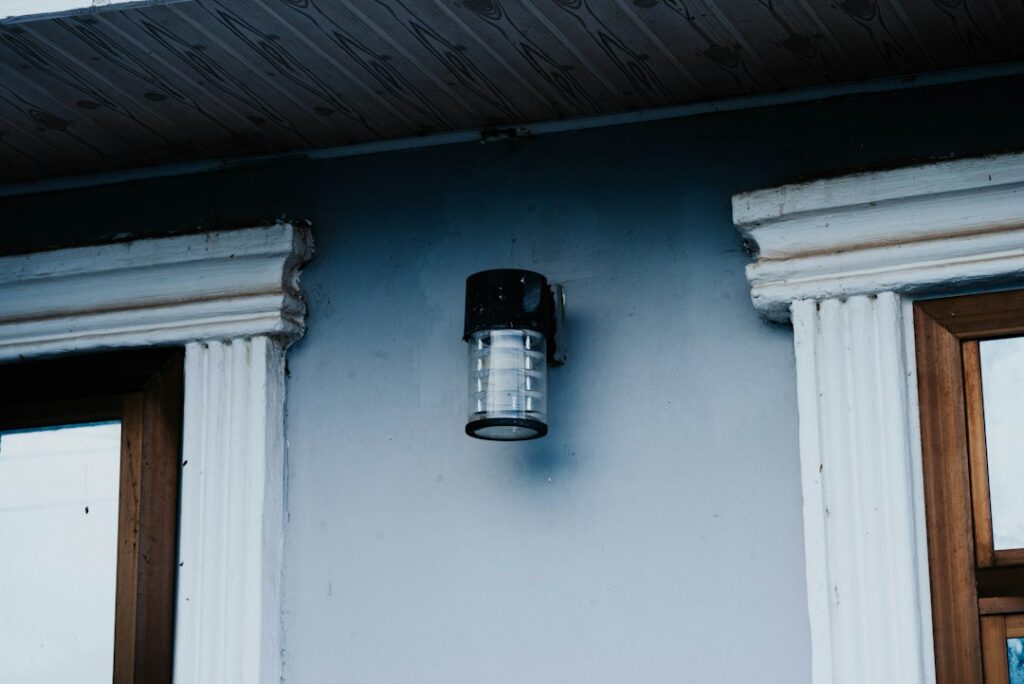
Exterior lighting affects much more than nighttime appearance. The right fixtures improve visibility, support safer movement, highlight useful features, and help a home fit naturally into its surroundings. For households in Easton, PA, good choices also need to withstand rain, snow, freeze-thaw cycles, humidity, and changing daylight throughout the year.
What should exterior lighting accomplish?
The best exterior lighting serves a clear purpose before it adds decoration. Start by identifying what needs to be seen after dark and how the space is used.
Common goals include:
- Making entry steps, walkways, and door areas easier to navigate
- Improving visibility near garages, driveways, and side gates
- Supporting outdoor activities on porches, patios, and decks
- Adding low-level illumination near landscaping or architectural features
- Making address numbers easier for visitors and emergency responders to find
- Reducing dark areas without creating harsh glare
A fixture that looks attractive but leaves a stairway in shadow is not performing its most important job. Likewise, a bright floodlight aimed toward a neighboring property may create a nuisance without improving security meaningfully.
Think in terms of layers: light for movement, light for tasks, and softer light for atmosphere.
How do you choose the right type of fixture?
Fixture style should follow the location and function. Exterior lighting is easier to plan when each area has a specific lighting role.
Entryways: Wall-mounted sconces or compact ceiling fixtures can provide balanced illumination near a front or side door. Two smaller fixtures placed on either side of a door often distribute light more evenly than one oversized fixture.
Walkways and steps: Low path lights can define edges, but they should not be placed so close together that the walkway resembles a runway. Steps may need focused lighting from nearby walls, railings, or low fixtures rather than lights shining directly into a person’s eyes.
Driveways and garages: Motion-activated fixtures can be useful for brief visibility near vehicle areas. Aim them downward and away from windows, sidewalks, and neighboring homes.
Porches and patios: Warm, lower-intensity lighting usually works better than a single bright fixture. Ceiling lights, wall lights, and carefully placed portable or built-in fixtures can create comfortable illumination for conversation and movement.
Landscaping: Small accent lights can highlight trees, retaining walls, stonework, or planting beds. Use restraint so the lighting does not flatten the appearance of the yard or overpower nearby homes.
What brightness and color temperature work best outdoors?
Brightness should be matched to the task, not selected simply by choosing the highest number of lumens. Excessive brightness can create glare, deep shadows, and unnecessary light trespass.
For many residential applications:
- Entry and porch fixtures generally need moderate brightness for facial recognition and safe movement.
- Path and landscape lights usually require relatively low output.
- Garage and driveway lighting may need more illumination, especially where surfaces are uneven.
- Security lighting should illuminate a defined area rather than wash an entire property in intense light.
Color temperature also affects comfort. Warm white light, often in the lower end of common residential lighting ranges, tends to look natural on brick, stone, wood, and greenery. Cooler white light can appear sharper and may make a space feel more commercial or visually harsh.
The most useful test is to consider the surrounding materials and nearby windows. A light that seems acceptable in a store display may feel uncomfortable when reflected from pale siding or snow.
Why does light placement matter as much as fixture selection?
Poor placement can undermine an otherwise good lighting plan. Light sources should generally be positioned so the fixture illuminates the surface or path rather than shining directly into someone’s eyes.
Before installing a fixture, check:
- Whether people approaching the home will see the bulb directly
- Whether the beam points toward bedrooms or neighboring properties
- Whether the fixture creates a strong shadow behind steps, railings, or landscaping
- Whether snow, leaves, or plant growth could block the light
- Whether maintenance access will remain practical
- Whether the fixture is protected from water collecting around its mounting point
For exterior walls, mounting height matters. A light mounted too high may spread broadly but provide little useful illumination at eye level. A light mounted too low may be vulnerable to impact, snow buildup, or tampering.
In compact neighborhoods and closely spaced residential areas, careful aiming is especially considerate. The goal is useful visibility on the property, not maximum brightness across the entire block.
What weather-resistant features should Easton homeowners look for?
Exterior fixtures should be rated for outdoor use and installed according to the manufacturer’s instructions. Indoor fixtures are not designed to handle repeated exposure to moisture, temperature changes, and condensation.
Look for:
- A fixture clearly identified for exterior use
- Durable housing suitable for wet or damp locations
- Sealed or protected electrical components
- Mounting hardware that resists corrosion
- Gaskets and covers that remain secure over time
- Construction that can tolerate seasonal expansion, contraction, and freeze-thaw conditions

In this region, winter conditions can create additional challenges. Snow may cover low fixtures, ice can affect mounting points, and road salt or deicing residue may contribute to corrosion near driveways and walkways. Fixtures placed close to the ground should be easy to inspect and clean.
Exterior electrical work also requires care around moisture. Any installation involving new wiring, buried cable, junction boxes, or changes to household electrical circuits should meet applicable safety requirements. Hazardous conditions, damaged wiring, water intrusion, and work near service equipment require qualified assistance rather than trial and error.
Are motion sensors, timers, and smart controls worthwhile?
Controls can improve convenience and reduce wasted electricity, but they work best when adjusted to the property.
Motion sensors are useful near garages, side entrances, and pathways. Set the detection range carefully so passing vehicles, tree movement, or small animals do not trigger the lights constantly.
Timers can provide dependable operation for entry lighting and seasonal changes in daylight. Because sunset shifts substantially between summer and winter, fixed schedules may require occasional adjustment.
Dusk-to-dawn sensors are practical for address lighting, entry areas, and other locations that benefit from consistent overnight visibility. They should be positioned so nearby fixtures do not confuse the sensor.
Smart controls may offer additional scheduling and dimming options, but they add components that depend on connectivity, power, and software. A simple timer or sensor may be more dependable for a fixture that needs to work every night without frequent attention.
How can exterior lighting improve security without creating glare?
Lighting can support security by making doors, windows, walkways, and vehicle areas easier to observe. It does not replace secure locks, maintained doors, clear sightlines, or responsible attention to unusual activity.
Avoid the common mistake of using one extremely bright light for the entire property. Strong glare can make it harder to see beyond the illuminated area and may create dark contrast around the edges.
A better approach often includes:
- Moderate lighting near entrances
- Motion-activated illumination in less frequently used areas
- Clear visibility around address numbers and walkways
- Trimmed vegetation near doors and windows
- Fixtures aimed downward or toward the surfaces being illuminated
The property should remain comfortable for residents and neighbors. Lighting that shines into living spaces, disrupts sleep, or spills into the street is poorly controlled even if it is technically bright enough.
How should lighting be maintained through the seasons?
Exterior lighting needs periodic attention, particularly after winter and before the darker months of late fall.
Inspect fixtures for cracked lenses, loose mounting, rust, water marks, exposed wiring, and flickering. Clean dirt and insect debris from lenses so the light remains effective. Trim plants that block illumination and check whether shifting soil, frost, or landscaping work has changed the angle of path lights.
Replace failed lamps with compatible types and follow the fixture’s rating. If moisture is visible inside a fixture or a circuit repeatedly trips, stop using it until the underlying problem is addressed.
A thoughtful lighting plan does not require every part of a property to be bright. It requires each fixture to provide the right amount of light, in the right direction, for a specific purpose. That balance is especially useful in a community with older homes, varied lot sizes, changing weather, and a mix of compact and more open residential settings.