

 See My Latest Article on HelloNation
Why Do Mold and Mildew Grow on Exterior Surfaces in Easton, PA?
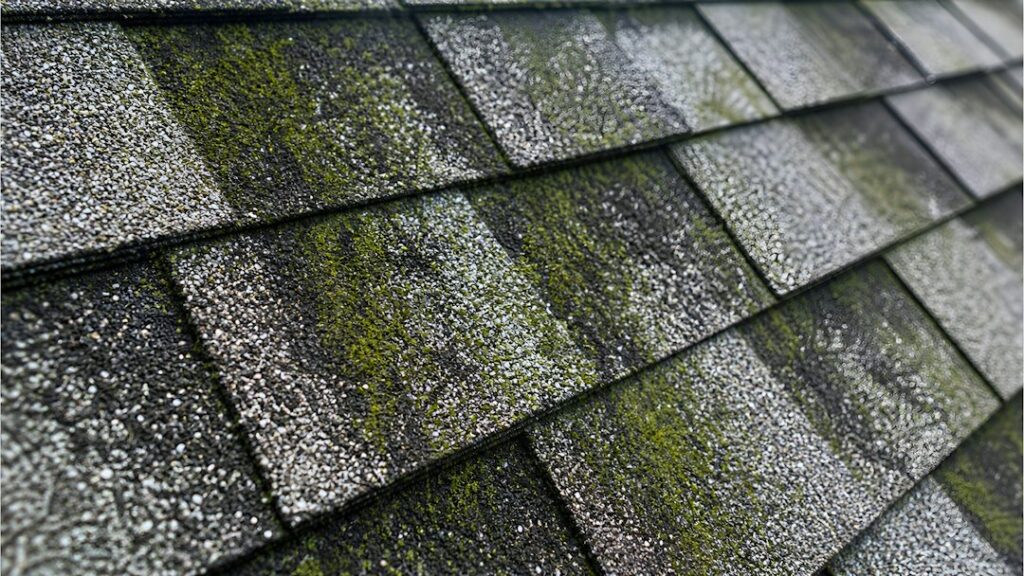
Mold and mildew thrive on shaded, damp areas, especially when outdoor surfaces stay wet for long periods. In Easton, PA, the local climate brings lots of seasonal rain, humidity, and fluctuating temperatures—conditions that make decks, siding, walkways, and fences especially susceptible. Shady spots, north-facing walls, and areas near shrubs or trees are at higher risk.
The city’s mix of historic homes and newer construction, combined with densely planted yards and aging infrastructure, often leads to poor drainage or lingering moisture. Mold appears as dark stains, fuzzy patches, or musty-smelling spots; mildew is typically lighter and powdery.
How Can Residents Reduce Moisture on Exterior Surfaces?
To limit mold and mildew, it’s crucial to manage moisture levels outside your home. Here’s how local homeowners typically do this:
- Trim back overgrown trees and shrubs to let sunlight reach siding, decks, and paths.
- Ensure soil slopes away from foundations and patios to prevent water pooling.
- Clean gutters regularly to avoid overflow that wets siding or walkways.
- Use splash guards or extenders on downspouts so water flows away from the base of the house.
- Maintain space between mulch or landscaping and exterior walls, as mulch retains moisture.
In neighborhoods with older trees and homes closer together, air circulation can be limited, so small changes—like thinning branches—often make a big difference.
What Cleaning Methods Prevent Mold and Mildew From Taking Hold?
Regular, gentle cleaning discourages mold and mildew colonies from growing. At least once a season, sweep and wash exposed surfaces. Most residents use a simple solution of water and mild dish soap with a soft brush to clean decks, siding, and fences.
For areas with existing stains:
- An oxygen bleach solution (never chlorine bleach, which can harm plants and surfaces)
- Scrub gently to avoid damaging wood or paint
- Rinse thoroughly with a garden hose
Power washing is popular, but excessive pressure can wear down wood and older painted surfaces. If using a pressure washer, start with the lowest setting and keep the nozzle several feet away from the surface.
Do Products Like Mold-Resistant Paints or Cleaners Work?
There are specialty coatings and cleaners formulated to inhibit mold growth. Homeowners in Easton occasionally use these on decks, porches, and siding in persistently shady or moist areas. Mold-resistant paints can help prevent growth but must be applied to thoroughly clean, dry surfaces.
These products generally work best as part of a larger maintenance routine rather than stand-alone solutions. It’s a common misconception that one-time application stops all future growth; persistent shade and moisture still require physical cleaning and air flow management.
Which Areas Around the House Are Most Overlooked?
Frequently missed spots are prime mold and mildew zones:

- Under eaves and covered porches where rain doesn’t easily evaporate
- North-facing brick or siding, especially behind thick plantings
- The underside of deck boards or porch rails
- Concrete patios shaded by larger shrubs
Residents sometimes forget that patio furniture, planters, and outdoor rugs can hold moisture close to surfaces too. Rotating or removing these items occasionally helps exterior materials dry out between storms.
How Does Season Change Affect Mold and Mildew?
Spring and summer bring wet spells and high humidity that accelerate mold growth. In fall, falling leaves can trap moisture against surfaces. Winter freeze-thaw cycles sometimes worsen small cracks and let in water, which then promotes springtime mold growth.
Routine seasonal checks—sweeping off leaves, checking drainage, and rinsing siding after the heavy pollen or dust—are key in the Easton region. Early attention after heavy storms or thaws helps prevent serious buildup.
Are There Safe Solutions for Residents With Allergies or Pets?
Many area households are concerned about using strong chemicals outside where kids or pets play. Most of the time, simple cleaning methods (water, gentle soap, a scrub brush) provide good results. Oxygen bleach is less harsh than chlorine and safer for use around gardens and play areas.
Always rinse thoroughly and avoid using commercial fungicides or mildew removers unless absolutely needed and label directions confirm outdoor safety for people and animals.
When Should Mold or Mildew Be a Concern for Home Integrity?
Small, surface-level mold stains are usually a cosmetic issue. However, if mold keeps returning in the same spots or spreads quickly, it’s wise to check for underlying water leaks, drainage failures, or damaged seals around windows and doors. In older Easton homes, porous brick and wood siding are especially vulnerable to ongoing moisture exposure.
Significant or persistent growth may signal a ventilation or drainage problem that needs more attention to prevent deeper structural issues. For especially stubborn stains that extend indoors, or if you notice crumbling surfaces or musty odors inside, consulting local building resources for assessment may be necessary.