
 See My Latest Article on HelloNation
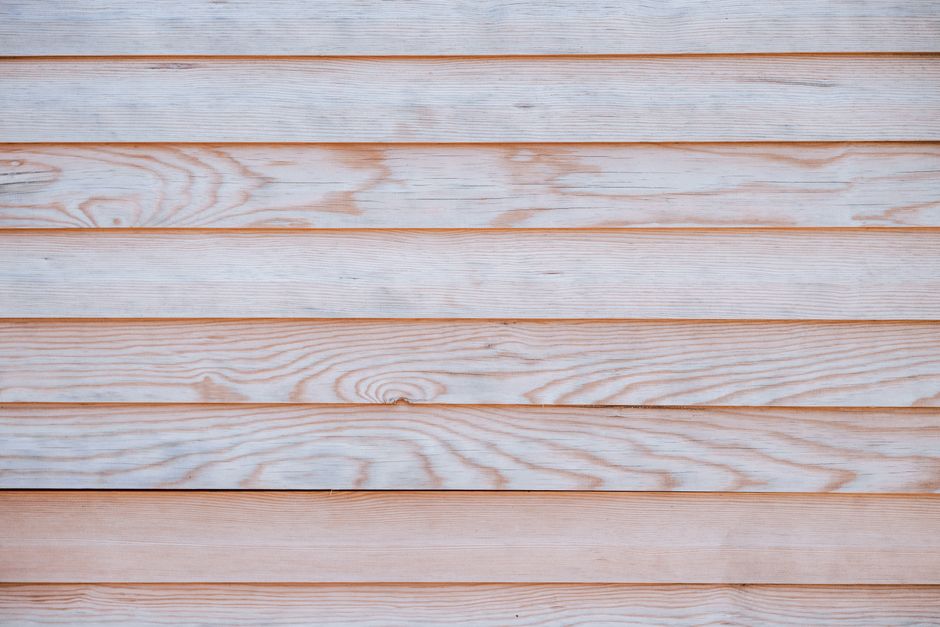
Fiber cement siding is a durable exterior cladding made from a mixture of cement, sand, cellulose fibers, and water. It is designed to resemble painted wood, shingles, or masonry while resisting many of the problems associated with wood siding, vinyl, and some composite materials.
For homeowners in Easton, PA, the material can be a practical option because houses experience hot summers, cold winters, moisture, wind, and repeated freeze-thaw cycles. Its performance, however, depends heavily on proper installation, painted-surface maintenance, and careful control of water around the exterior.
What is fiber cement siding?
Fiber cement siding is manufactured in boards, panels, shingles, and trim pieces. The cement provides hardness and resistance to impact, while cellulose fibers help reinforce the material.
Common styles include:
- Smooth horizontal boards
- Wood-grain lap siding
- Vertical panels
- Shingle-style siding
- Decorative trim around windows, doors, and rooflines
Although it can closely resemble painted wood, fiber cement is not made from wood. It does not rot in the same way as untreated wood, and it is not a food source for termites. The material can still absorb some moisture if exposed edges, joints, or fastener holes are not protected properly.
How durable is fiber cement siding?
Fiber cement is generally more resistant to dents, warping, and impact than many lightweight siding products. It also tolerates sunlight well and is not easily damaged by normal temperature changes.
That does not make it indestructible. Boards may crack if handled roughly, installed too tightly, or fastened incorrectly. Damage can also occur from falling branches, ladders, lawn equipment, or water entering behind the siding.
The siding itself may last for decades, but the service life depends on several factors:
- Quality of the installation
- Condition of the wall sheathing and weather barrier
- Proper clearance above roofs, decks, and paving
- Regular inspection of caulked joints and painted surfaces
- Timely repair of cracks, loose boards, and exposed cut edges
Homes with older construction may require extra attention around uneven walls, additions, enclosed porches, and areas where several exterior materials meet.
Is fiber cement siding waterproof?
No. Fiber cement siding is water-resistant, but it is not a waterproof wall system.
The siding is only one part of the exterior assembly. Behind it should be a properly installed weather-resistant barrier, flashing, and drainage details. These components direct water away from the wall if rain gets behind the siding.
The most vulnerable areas are usually:
- Window and door openings
- Roof-to-wall intersections
- Corners and vertical trim
- Deck attachments
- Utility penetrations
- Bottom edges near roofs, patios, and sidewalks
Siding should not be installed directly against roofing materials or surfaces that regularly hold water. Adequate clearance allows the wall to dry and reduces the chance of trapped moisture.
How does it perform in the Easton climate?
The local climate places several demands on exterior siding. Summer humidity and storms can expose walls to wind-driven rain, while winter weather brings freezing temperatures and repeated expansion and contraction.
Fiber cement generally handles these conditions well when water is managed correctly. The greatest risks are not usually caused by cold alone. Problems often begin when moisture enters a joint, remains behind the siding, or reaches an unprotected cut edge and then freezes.
Seasonal inspections are useful, especially in spring after winter weather and in fall before heavy rain and freezing conditions. Look for:
- Cracked or separating caulk
- Paint that is peeling or blistering
- Siding that appears loose or bowed
- Soft areas around windows or trim
- Staining below rooflines
- Gaps at corners and service openings
A small surface defect is easier to address before it allows water to reach the wall framing.
Does fiber cement require painting?
Most fiber cement siding is sold either prefinished or prepared for field painting. Factory-applied finishes can provide a more consistent coating, while site-painted siding allows more flexibility during installation and future color changes.
Paint is not merely decorative. It helps protect the siding from moisture and weathering, particularly at exposed edges and joints. The exact repainting interval varies with sun exposure, surface preparation, coating quality, and the condition of the existing finish.
Before repainting, the surface should be clean and sound. Peeling areas need to be removed, and damaged boards should be repaired or replaced. Painting over moisture, mildew, or failing caulk can conceal problems temporarily without solving them.
What maintenance does fiber cement siding need?
Maintenance is usually straightforward, but it should not be ignored. Once or twice a year, inspect the siding and trim from ground level and examine accessible areas more closely.
Useful maintenance tasks include:
- Rinsing away dirt with a garden hose when appropriate
- Removing leaves and debris from ledges and roof-to-wall areas
- Checking caulked joints for gaps or separation
- Touching up exposed fastener heads and cut edges
- Keeping shrubs and vines from pressing against the siding
- Confirming that gutters and downspouts direct water away from the walls
Pressure washing can force water into joints and damage paint or surface texture if used too aggressively. Soft washing or gentle cleaning methods are generally safer for painted siding.
Is fiber cement siding energy efficient?
Fiber cement siding contributes little insulation by itself. Its primary functions are weather protection, appearance, and durability.
Energy performance depends more on the complete wall assembly, including insulation, air sealing, windows, doors, and the weather barrier. During replacement, a homeowner may have an opportunity to address air leakage or add exterior insulation, but those improvements are separate from the siding material.
A wall with high-quality siding can still feel drafty if the underlying structure has gaps or inadequate insulation. Conversely, a properly insulated wall does not require fiber cement siding to perform well thermally.
How does fiber cement compare with other siding materials?
Fiber cement is often selected as a middle ground between traditional wood and lower-maintenance synthetic materials.
Compared with wood, it generally offers better resistance to rot and insects but can be heavier and more demanding to cut and handle. Compared with vinyl, it is more rigid and often more resistant to heat-related distortion, but it typically requires painting and careful installation. Compared with engineered wood, it has a cement-based composition and different handling, fastening, and moisture-management requirements.
No siding material eliminates maintenance. The right choice depends on appearance, budget, wall condition, desired upkeep, insulation plans, and tolerance for repainting.
What should homeowners check before installation?
The condition behind the existing siding matters more than the new surface alone. Removing old cladding may reveal damaged sheathing, inadequate flashing, outdated wiring penetrations, or moisture problems.
Before work begins, verify that the plan accounts for:
- Wall sheathing and framing condition
- A continuous weather-resistant barrier
- Flashing around windows, doors, and roof intersections
- Correct fastener type and placement
- Proper spacing from roofs, paving, and decks
- Treatment of cut edges and exposed ends
- Trim details at corners and material transitions
Fiber cement boards are heavier than many other siding products. Cutting also creates fine dust, so appropriate dust-control practices and respiratory protection are necessary during installation or repair.
When is damage more than a cosmetic concern?
A cracked board is not always an emergency, but it should be examined. Damage becomes more serious when it allows water behind the siding or occurs near a window, door, roofline, or corner.
Signs that the problem may involve the wall beneath include:
- Persistent staining
- Soft or swollen trim
- Musty odors indoors
- Peeling interior paint near exterior openings
- Siding that repeatedly cracks in the same location
- Visible gaps that widen after cold weather
Safety concerns also matter. Work near steep roofs, electrical equipment, tall elevations, or unstable ladders can create hazards that are not appropriate for casual repairs.
Fiber cement siding can be a durable choice for area homes, but its success depends on the entire exterior system. Good drainage, protected joints, sound flashing, and regular maintenance are just as important as the siding boards themselves.