

 See My Latest Article on HelloNation
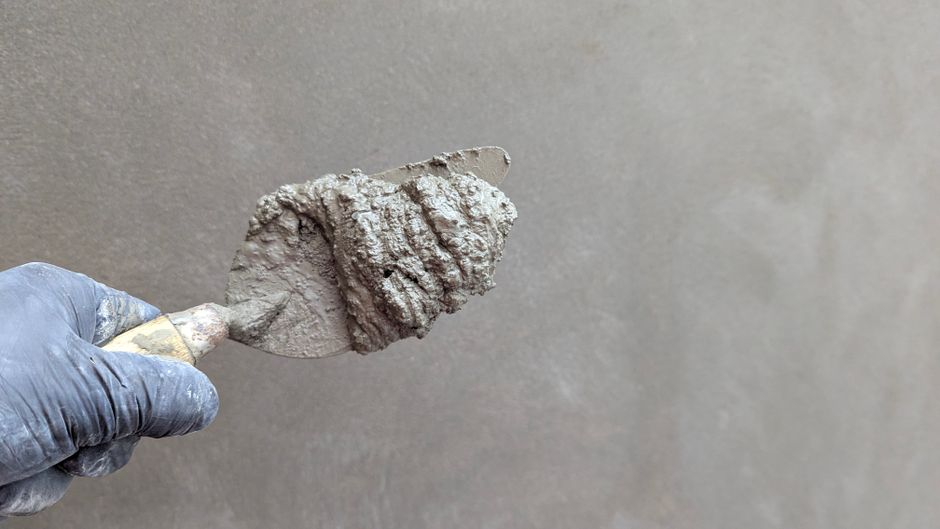
Exterior wall damage can range from a small surface crack to a hole that allows water, insects, or cold air into the wall assembly. The right repair depends on the wall material, the size and direction of the damage, and whether moisture or movement caused it.
In Easton, PA, exterior walls experience repeated wetting, freezing, thawing, summer heat, and seasonal humidity. Those changes can enlarge small defects over time, especially around windows, doors, corners, chimneys, and areas where different materials meet.
How can you tell whether an exterior crack is minor or serious?
A narrow, stable crack limited to the surface is often repairable with cleaning, patching, and compatible exterior sealant. Cracks that widen, reappear quickly, run diagonally from windows or doors, or extend through masonry may indicate movement or water-related damage that requires closer evaluation.
Look for these distinctions:
- Hairline surface cracks: Often caused by normal drying, aging, or temperature changes.
- Long horizontal cracks: More concerning in masonry because they may relate to pressure, settlement, or wall movement.
- Stair-step cracks in brick or block: Can indicate shifting along mortar joints.
- Diagonal cracks from openings: May be associated with movement around windows and doors.
- Cracks that leak or show staining: Usually involve a moisture problem in addition to the visible opening.
- Cracks that continue growing: Should not be treated as a simple cosmetic defect.
Measure a larger crack with a pencil mark or a dated photograph. Monitoring the change over several weeks can help distinguish an old, stable crack from active movement.
What materials are exterior walls made from?
Repair materials must match the wall system. A patch that works on painted wood siding may fail on brick, stucco, concrete block, or fiber-cement panels.
Common exterior wall surfaces include:
- Painted wood siding: Vulnerable to rot, splitting, loose joints, and failed paint.
- Vinyl siding: Usually does not develop traditional cracks but can split, buckle, or pull loose.
- Brick and mortar: Mortar joints may deteriorate, while individual bricks can crack or spall.
- Stucco: Can develop hairline cracks, larger fractures, and hollow or detached areas.
- Concrete or concrete block: May show shrinkage cracks, settlement cracks, or water-related deterioration.
- Fiber-cement siding: Can crack if improperly fastened or struck, especially near edges and penetrations.
Before patching, identify the surface and determine whether the damaged area is solid, loose, damp, or deteriorated. Covering unstable material usually produces a short-lived repair.
How do you repair small cracks in painted siding?
Small cracks in wood or fiber-cement siding should be cleaned, dried, and filled with a flexible exterior-grade sealant. Remove loose paint and soft wood first. If the crack is deep, a compatible backer material may be needed so the sealant does not sink excessively.
A practical repair sequence is:
1. Scrape away loose paint and damaged fibers.
2. Brush out dust and debris.
3. Allow damp material to dry fully.
4. Apply a flexible exterior sealant suited to the siding.
5. Tool the surface so water cannot collect along the repair.
6. Prime and repaint after the sealant has cured, if the product allows painting.
Do not seal over wood that feels soft or crumbles under light pressure. That usually means rot extends beyond the visible crack. The affected section may need to be removed and replaced rather than coated.
How should holes in siding be patched?
Small holes from fasteners, insects, or minor impact can generally be filled with an exterior patching compound made for the siding material. The hole must be dry and free of loose edges before filling.
For wood siding, shallow holes can be filled, sanded after curing, primed, and painted. Larger openings should be squared up and repaired with a properly fitted piece of matching material. A patch that is too thin, poorly supported, or left unpainted may absorb water and fail during freeze-thaw cycles.
Vinyl siding is usually repaired by replacing the damaged panel or using a carefully fitted patch from matching material. Sealant alone is not a reliable structural repair for a split or missing section.
How are cracks in brick and mortar repaired?
Small mortar-joint cracks can sometimes be repaired through repointing, which involves removing loose mortar to a sound depth and pressing new mortar into the joint. The replacement mortar should be compatible with the existing masonry. Mortar that is harder than the brick can contribute to edge damage as the wall expands and contracts.
Cracked bricks should not simply be covered with surface filler if the brick is loose, badly fractured, or shedding layers. Water can enter the crack, freeze, and cause additional spalling. White powdery deposits, dark staining, or crumbling joints also suggest that moisture management needs attention.
Check nearby details before repairing masonry:
- Are gutters overflowing near the wall?
- Does a downspout discharge too close to the foundation?
- Is soil or mulch covering the lower masonry?
- Are window and door joints open?
- Is water entering from a chimney, roof edge, or flashing?
A masonry repair is more durable when the source of water is corrected first.
What is the correct method for repairing stucco cracks?
Very fine stucco cracks can often be cleaned and filled with a flexible exterior coating or sealant intended for stucco. Larger cracks should be opened slightly if necessary to remove loose material, then patched with a compatible stucco repair compound.
Avoid filling a wet, hollow, or bulging area without investigating it. Stucco that sounds hollow when lightly tapped may have separated from its backing. Dark stains, soft spots, rust marks, or recurring cracks can indicate trapped moisture behind the finish.
Stucco repairs should blend with the existing texture while still allowing the wall to dry. Sealing every visible line with a rigid material can trap water or cause the repair to crack again.
How do you repair holes in concrete or block walls?
Small, clean holes in concrete or concrete block can be brushed free of dust and filled with a cement-based patching material. Larger holes may need repair in layers, especially if the surrounding material is deep, loose, or structurally weakened.
Before patching:
- Remove loose concrete and powdery material.
- Clean out dust and debris.
- Dampen porous masonry lightly if required by the patch material.
- Keep the repair protected from rain and rapid drying while it cures.
- Shape the surface so water sheds away from the wall.
Do not use interior spackle, drywall compound, or ordinary wood filler outdoors. These products typically soften, shrink, or break down under moisture and temperature changes.
When should an exterior wall repair be delayed?
Rain, freezing temperatures, and damp surfaces can interfere with adhesion and curing. Most patching materials require a clean, dry surface and a temperature range stated on the package. In a region with cold winters, repairs made just before a freeze may not bond properly.
Postpone the work if:
- The wall is actively wet.
- Rain is expected before curing is complete.
- The surface is frozen or covered with frost.
- The crack is changing rapidly.
- The area contains loose masonry or falling material.
- The damage is near electrical wiring, gas equipment, or structural supports.
Use eye protection, gloves, and a dust mask when scraping, grinding, or removing masonry. Older painted surfaces may also require caution because some homes contain lead-based paint.
What should be checked after the patch is complete?
A repaired wall should be inspected after the next heavy rain and again after a period of freezing weather. Look for renewed cracking, staining, soft spots, loose paint, or water collecting along the repair.
Also inspect the surrounding drainage. Clean gutters, properly directed downspouts, intact flashing, sound caulking around openings, and adequate clearance between soil and siding often matter as much as the patch itself.
If a wall is bulging, leaning, separating, showing major horizontal cracks, or allowing significant water into the building, the issue may extend beyond a surface repair. Structural movement, widespread rot, recurring leaks, and damaged masonry deserve evaluation before additional patching is applied.