

 See My Latest Article on HelloNation
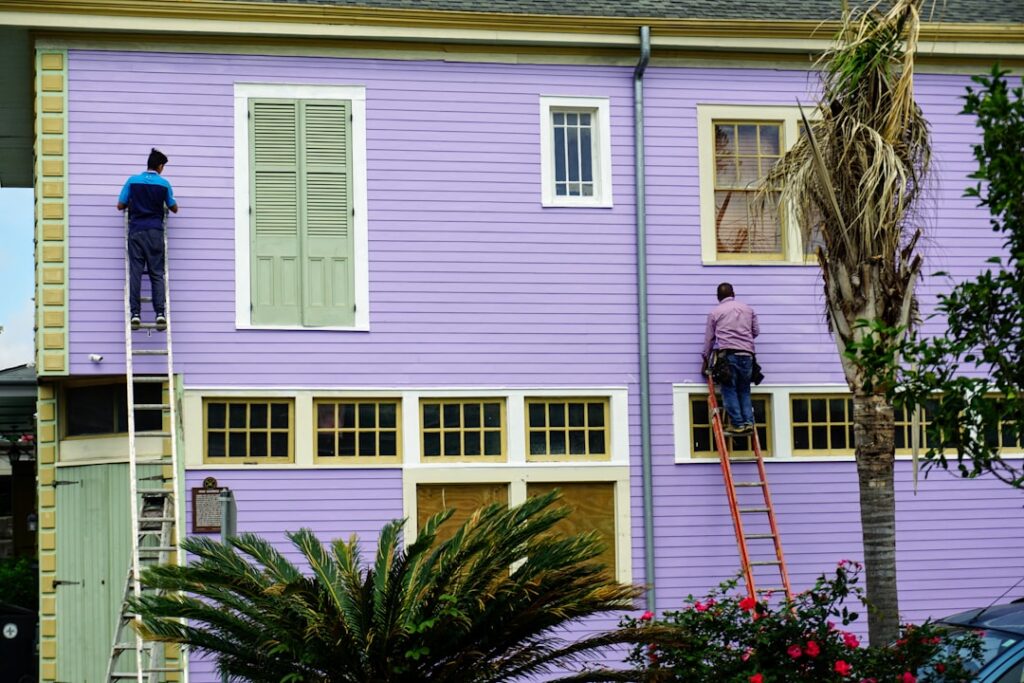
What Factors Matter Most in Choosing an Exterior Paint Color?
The most successful exterior paint choices work with your home’s architectural style, surrounding landscape, and local climate conditions. In Easton, PA, older historic homes, tree-lined neighborhoods, mixed housing densities, and distinct seasons all play a part in narrowing options that look appealing and last.
Beyond simply picking a favorite hue, residents often consider:
- Historic preservation or neighborhood guidelines
- How colors age in local sun, moisture, and snow
- Curb appeal and resale value
- Blending with—or standing out from—neighboring homes
By accounting for these factors early, homeowners can narrow choices before facing a wall of paint swatches.
How Does Climate in Easton, PA, Affect Exterior Paint Choice?
Understanding how the local weather impacts paint performance saves frustration down the line. Easton experiences all four seasons including humid summers, cold winters, freeze-thaw cycles, and periods of ice or wet leaves along exterior foundations.
For best results:
- Opt for paint formulas rated for temperature shifts and moisture resistance.
- Lighter shades tend to hide fading and weathering more gracefully than very dark colors, which can show wear from winter salt and sun bleaching.
- Sheens matter: Satin and low-luster paints are often easier to clean and better disguise surface imperfections in variable Northeast weather than glossy finishes.
Are There Historic or Neighborhood Restrictions to Keep in Mind?
Some areas of Easton fall within historic districts or homeowners associations with specific rules about exterior color palettes. Always confirm local requirements before narrowing your selection. The city’s historic neighborhoods may ask homeowners to use period-appropriate hues—think deep greens, muted blues, creams, and barn reds, rather than neon or ultra-modern colors.
Double-check any local guidelines. Even outside formal districts, consistency with neighborhood styles may help maintain property values and community character.
What Are Common Mistakes to Avoid When Choosing Exterior Colors?
Several pitfalls can compromise a project before a brush touches the wall. Some of the most common missteps include:
- Picking colors based only on indoor lighting or a digital screen—outdoor sunlight completely changes how a paint looks.
- Ignoring the fixed elements like roofing, stone, brick, or porch flooring, which may clash with certain colors.
- Forgetting how landscaping or large trees will shade parts of the home, shifting how hues appear at different times of day.
Sampling paint outdoors and observing at several times of day is a reliable safeguard.
How Do Surroundings and Neighboring Homes Influence Good Choices?
The most pleasing results often reflect a balance between individuality and harmony with the block. Take a short walk around your immediate area and notice:
- Which colors are already common, and whether there’s a dominant palette
- How houses of similar architectural style use accent colors for trim or shutters
- Whether bold colors stand out favorably, or might look disruptive

In areas with mature trees, earthy tones and muted greens often complement the landscape. On streets with brightly painted trim or porches, a neutral main body with colorful accents can blend in while adding personality.
How Many Colors Should Be Used on an Exterior?
Most homes in the area use two or three colors—one for the main body, another for trim, and sometimes a third for doors or architectural details.
Simple combinations help prevent a busy or chaotic look. For example:
- A soft beige or off-white body with deeper brown or navy trim
- A gentle gray with crisp white window surrounds and a bold red front door
- Earthy green siding with subtle cream or stone trim
Test these combinations with actual paint samples to ensure the overall effect is cohesive in natural daylight.
Is There an Ideal Time of Year to Paint a Home Exterior?
Early autumn and late spring are typically preferred in the local climate. Mild temperatures, limited rainfall, and low humidity help paint cure properly. Extremely hot, cold, or humid days can cause paint to blister or dry unevenly.
Avoid painting immediately after rain, and watch for pollen or falling leaves that can mar fresh surfaces. If a project must be done outside the optimal window, be prepared for extra maintenance in the years ahead.
Does the Size or Architecture of a Home Affect Paint Color Decisions?
Yes, the visual footprint and style of a house influence how colors look and feel. Large homes handle deeper or richer tones without seeming overbearing, while smaller houses generally benefit from lighter, airy colors that don’t weigh them down visually.
Distinct details—gingerbread trim, porch columns, or brickwork—can be highlighted with a contrasting or complementary shade for added interest, especially on the area’s historic homes.
What About Resale Value—Do Color Choices Matter?
While personal taste is key, certain colors have broad appeal among buyers should you plan to move in the future. Neutral shades—soft grays, warm taupes, subdued greens, and off-whites—are safe bets. Avoid extremely bold or dark colors unless these match a period style or are thoughtfully coordinated with the neighborhood.
Color that complements the roof, stonework, and unpainted materials also raises curb appeal, an important detail for area households who want to maximize property value.