

 See My Latest Article on HelloNation
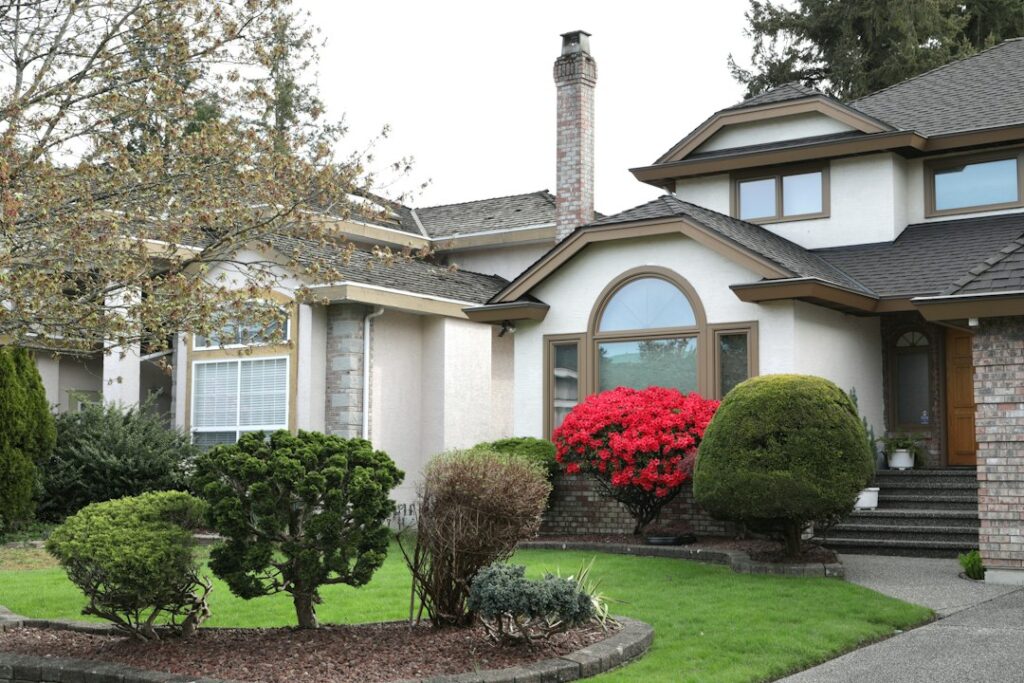
A low-maintenance landscape is not a yard with no upkeep. It is a carefully planned outdoor space that reduces mowing, watering, pruning, weeding, and seasonal repairs without sacrificing appearance or usefulness. For households in Easton, PA, the most reliable approach is to match plants and materials to local weather, soil, drainage, and the amount of time available for routine care.
What makes a landscape low-maintenance?
A low-maintenance landscape uses fewer living elements that need frequent attention and more durable features that remain useful through changing seasons. The goal is not to eliminate all gardening tasks, but to make those tasks predictable and manageable.
A practical design often includes:
- A smaller lawn area with simple, accessible edges
- Native or well-adapted plants
- Mulched planting beds
- Durable paths, patios, or seating areas
- Trees and shrubs placed where their mature size fits the space
- Efficient watering methods
- Clear separation between lawn, beds, walkways, and structures
The layout matters as much as the plant list. Awkward corners, narrow strips, steep slopes, and hard-to-reach areas often create more maintenance than the rest of the property combined.
How should a property be evaluated before planting?
Start by observing the yard through more than one season. A landscape that looks dry in midsummer may stay saturated in spring, while an area that appears sunny in the morning may be shaded by trees or buildings later in the day.
Record:
- The amount of direct sunlight each area receives
- Places where water collects after rain
- Slopes that may erode or be difficult to mow
- Existing trees, utility lines, fences, and drainage features
- Areas where snow, ice, or roof runoff may affect plants
- Soil that is compacted, rocky, sandy, or consistently wet
- The routes people use to reach doors, driveways, and outdoor spaces
In established neighborhoods, compacted soil and limited side-yard access are common challenges. Improving drainage and soil structure before planting is usually easier than trying to correct poor conditions after plants are established.
Which plants require the least care?
The easiest plants are those suited to the site rather than chosen only for appearance. A plant that needs constant watering, repeated pruning, or protection from winter conditions is not low-maintenance if it is placed in the wrong location.
For this area, look for plants described as:
- Hardy in the local winter climate
- Suitable for the available sunlight
- Tolerant of the site’s moisture conditions
- Resistant to common pest or disease problems
- Naturally compact or slow-growing
- Useful to pollinators or birds without becoming invasive
Native plants can be a strong choice because many are adapted to regional weather and seasonal cycles. However, “native” does not automatically mean maintenance-free. A large native shrub can still outgrow a small bed, drop heavy amounts of leaves, or spread beyond its intended location.
Use a limited plant palette rather than purchasing many unrelated species. Repeating a few dependable plants creates a more organized appearance and makes watering, pruning, and replacing plants easier.
Is reducing the lawn a good idea?
Reducing lawn can lower mowing time, but replacing grass with poorly planned planting beds may create more work. The most effective approach is to keep lawn where it is practical and convert difficult areas into intentional spaces.
Consider reducing grass in:
- Narrow strips beside fences or buildings
- Steep slopes
- Shady areas where turf remains thin
- Sections under trees with persistent root competition
- Irregular corners that are difficult to mow
- Areas that receive runoff or remain wet
Replace these sections with ground covers, trees, shrubs, mulch, or permeable paths suited to the conditions. Keep lawn edges broad and smooth where possible. Curved or sharply angled borders may look attractive but can slow mowing and make edging more difficult.
A modest lawn that receives adequate sunlight and is not cut excessively short is often easier to maintain than a large lawn struggling in shade or compacted soil.
What ground cover and mulch choices reduce weeding?
Mulch is one of the simplest ways to reduce weeds and conserve soil moisture. Apply it over bare soil in a consistent layer, keeping it away from direct contact with tree trunks and the crowns of perennial plants.
Organic mulch gradually breaks down and may need periodic replenishment. Stone mulch lasts longer but can become hot, shift onto walkways, and make future planting changes more difficult. Neither material eliminates weeds completely; both work best when the soil is prepared and new weeds are removed before they mature.
Ground covers can also fill spaces between larger plants, but they need enough room to spread without covering paths or competing with shrubs. Dense planting is usually more effective than leaving large areas of exposed soil.
Avoid using landscape fabric as a permanent solution for every bed. It can restrict soil improvement, complicate planting changes, and eventually allow weeds to root in decomposed organic material above the fabric.

How can watering be reduced?
Watering needs are lowest when plants are matched to their location and watered deeply during establishment. Newly planted trees, shrubs, and perennials need regular attention during their first growing season, particularly during hot or dry periods.
To reduce future watering:
- Group plants with similar moisture needs
- Improve soil with appropriate organic matter before planting
- Use mulch to reduce evaporation
- Water at the base of plants instead of wetting foliage
- Water slowly so moisture reaches the root zone
- Avoid frequent shallow watering once plants are established
- Capture or redirect roof runoff only where it will not damage foundations or create erosion
Even drought-tolerant plants need water while their root systems develop. A landscape should not be labeled low-maintenance if newly installed plants are left without an establishment plan.
Which hardscape features are worth including?
Hardscape can reduce the amount of living area that requires mowing and pruning, but it should be designed for drainage, safety, and winter conditions. Walkways, patios, steps, retaining edges, and seating areas should have stable surfaces and clear transitions.
In a region with freezing temperatures, poor drainage can contribute to heaving, cracking, and uneven surfaces. Water should be directed away from foundations and should not be allowed to collect beside walkways or stairs.
Use permeable or well-drained surfaces where appropriate, while keeping accessibility and snow removal in mind. Avoid creating narrow planting pockets between hardscape features unless they can be reached easily for weeding and watering.
What maintenance should be planned for each season?
A low-maintenance landscape still benefits from a simple seasonal schedule.
Spring: Remove winter debris, inspect drainage, refresh mulch where needed, and prune only plants that require it. Spring is also a good time to repair lawn damage before weeds become established.
Summer: Check newly planted areas for water stress, control weeds while they are small, and monitor plants for damage. Mowing less frequently does not mean allowing grass to become excessively tall; follow a consistent height appropriate for the turf type.
Fall: Remove diseased plant material, clear leaves from drainage areas, and inspect trees for dead or damaged limbs. Some healthy leaves can remain in planting beds as natural organic matter, provided they do not smother smaller plants.
Winter: Avoid piling snow, salt-contaminated plowed material, or heavy equipment against shrubs and planting beds. Mark vulnerable edges and low walls before snowfall so they are easier to see during maintenance.
What common mistakes make a landscape harder to maintain?
The most frequent problems come from planning for the first year instead of the mature landscape. Small shrubs may eventually block windows, crowd walkways, or require repeated cutting. Fast-growing trees can interfere with utility lines or create excessive shade.
Other avoidable mistakes include:
- Planting too many varieties in a small area
- Choosing plants based only on flower color
- Installing grass in deep shade
- Using excessive decorative stone
- Ignoring roof and driveway runoff
- Creating sharp bed edges that are difficult to mow
- Planting trees too close to structures or underground utilities
- Treating all parts of the yard as if they have the same soil and sunlight
The most durable landscape is usually the one with a clear purpose for every area. A place for lawn, a place for planting, a place for water to move, and a place for people to walk can be easier to care for than a yard filled with disconnected features.