

 See My Latest Article on HelloNation
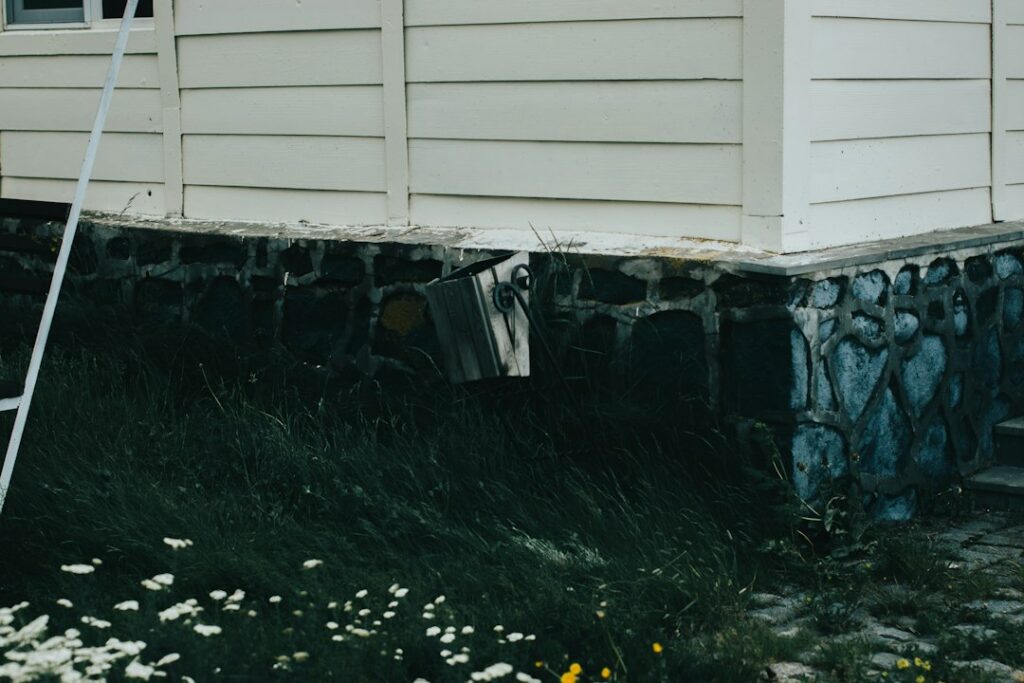
Why foundation inspections deserve attention
A foundation inspection helps identify drainage problems, movement, moisture intrusion, and deterioration before they affect more of the house. For homeowners in Easton, PA, seasonal freezing and thawing, heavy rain, older housing, and varied soil conditions can all influence how a foundation performs.
A careful inspection does not require specialized equipment at first. Start with visible areas inside and outside the home, document changes over time, and pay attention to patterns rather than a single small imperfection.
What should you inspect outside the home?
Exterior conditions often reveal the cause of foundation problems before the foundation itself shows obvious damage. Walk around the entire perimeter and look at the ground, walls, windows, and points where additions or porches meet the main structure.
Check for:
- Soil that slopes toward the house instead of away from it
- Standing water or persistently muddy areas near foundation walls
- Downspouts that release water beside the foundation
- Cracks in exposed concrete, masonry, or parging
- Sections of wall that appear bowed, bulged, or out of alignment
- Gaps around doors, windows, steps, porches, or attached structures
- Vegetation or tree roots growing very close to the foundation
The ground should generally direct rainwater away from the house. If soil has settled beside the foundation, water may collect against the wall and increase pressure during wet weather. Downspout discharge can create the same problem even when the overall yard appears properly graded.
Look at foundation cracks from several angles and compare their width, direction, and location. A narrow vertical crack may have a different cause from a horizontal crack that extends across a wall. Cracks that run through masonry joints, change direction, or appear alongside bulging deserve closer attention.
Which cracks are usually less concerning?
Small, stable cracks are common in many homes and do not automatically indicate structural failure. Shrinkage in poured concrete, minor settlement, or aging mortar can create narrow lines that remain unchanged for years.
A crack is generally less alarming when it is:
- Very narrow and unchanged
- Limited to a small area
- Not accompanied by water intrusion
- Not associated with a tilted wall, uneven floor, or sticking door
- Located in surface coating or mortar rather than extending through the wall
That does not mean every small crack should be ignored. Mark the ends of a crack with a pencil and write the date nearby. Recheck it periodically, especially after a winter with repeated freeze-thaw cycles or a period of heavy rain. Photographs with a ruler or coin for scale can make changes easier to detect.
Which foundation warning signs need prompt attention?
Some conditions suggest active movement, substantial water pressure, or damage that may worsen if left unexamined. These signs should not be treated as ordinary cosmetic wear.
Pay closer attention to:
- Horizontal cracks in poured concrete or masonry walls
- Stair-step cracks that cross several masonry blocks or bricks
- Cracks wider at one end than the other
- Walls that bow inward, bulge, or rotate
- Sudden changes in crack size
- Floors that slope noticeably or feel uneven
- Doors and windows that suddenly stick throughout the home
- Water entering through walls, joints, or floor cracks
- Gaps between walls and floors
- Chimneys, porches, or additions pulling away from the main structure
A horizontal crack can indicate lateral pressure from soil outside the wall. In a block foundation, stair-step cracking may reflect settlement or movement along masonry joints. The meaning depends on the wall material, drainage conditions, age of the home, and whether the condition is changing.
If a wall is visibly leaning, water is entering rapidly, or structural movement appears to be progressing, safety should come first. Avoid excavating beside the foundation or attempting to brace a wall without appropriate knowledge. Deep excavation can create a collapse hazard and may also disturb nearby utilities or property.
What should you inspect inside the basement or crawl space?
Interior inspection is especially useful because moisture and movement often leave visible clues below living areas. Use a flashlight and inspect walls, floors, corners, support posts, and areas around pipes or utility penetrations.
Look for:
- Damp spots, staining, or white powdery deposits on masonry
- Peeling paint or soft, deteriorated surfaces
- Musty odors or evidence of mold growth
- Water marks that rise and fall along the wall
- Cracks that continue through the wall or floor
- Rust on support posts, beams, or metal connectors
- Rot, insect damage, or sagging wood
- Gaps where the floor meets the wall
- Uneven or cracked basement floors
- Pooled water around sump pits or low areas

White, chalky residue is often called efflorescence. It forms when water moves through masonry and leaves mineral deposits behind. Efflorescence is not the same as structural cracking, but it confirms that moisture is traveling through the wall.
A damp basement does not always mean the foundation has failed. Water may enter because of poor grading, clogged drainage, condensation, plumbing leaks, or a high water table. The source matters because sealing an interior crack without correcting outside drainage may only conceal the symptom temporarily.
How do seasonal conditions affect foundation inspections?
The most useful inspections compare conditions across seasons. In the local climate, winter freezing can expand water within soil and masonry cracks, while spring rain may expose drainage weaknesses. Summer dryness can cause some soils to shrink, followed by movement when wet conditions return.
Inspect the property:
- After major rainfall
- During spring snowmelt or extended wet weather
- After winter freeze-thaw cycles
- Before and after significant landscaping changes
- When a new crack or sticking door appears
Do not assume that a foundation is stable simply because no water is visible during a dry week. Some leaks occur only when the ground is saturated. Conversely, a temporary damp spot may come from condensation rather than a foundation defect.
What overlooked details can reveal foundation movement?
Interior finishes can hide early signs. Check baseboards, flooring transitions, drywall seams, and tile for changes that occur in more than one room. A single cracked tile may be a flooring issue, but cracks that align across several rooms can suggest movement below.
Also inspect:
- The connection between attached porches and the house
- Brick or stone veneer near corners and windows
- Garage floors and walls
- Chimneys where they meet the roof or exterior wall
- New cracks near previous repairs
- Gaps around basement windows
- Areas where plumbing or electrical work disturbed the foundation wall
Keep written records of dates, photographs, weather conditions, and any repairs. This creates a useful history and helps distinguish a long-standing condition from active change.
When is expert evaluation necessary?
A qualified structural or building professional is appropriate when there is rapid crack growth, a bowed wall, significant settlement, repeated water intrusion, unsafe access, or uncertainty about whether the structure is stable. Evaluation is also prudent before buying or selling a home when foundation movement is suspected.
Routine inspection is not a substitute for an assessment of hazardous or complex conditions. Homeowners should avoid entering a flooded basement where electrical equipment may be submerged, and they should not enter a crawl space with unstable supports, poor air quality, or signs of collapse.
The most reliable approach is to identify water sources, document changes, and treat movement as a pattern rather than judging one crack in isolation. A foundation that remains dry, aligned, and unchanged over time is generally less concerning than one showing several related signs of moisture or movement.