

 See My Latest Article on HelloNation
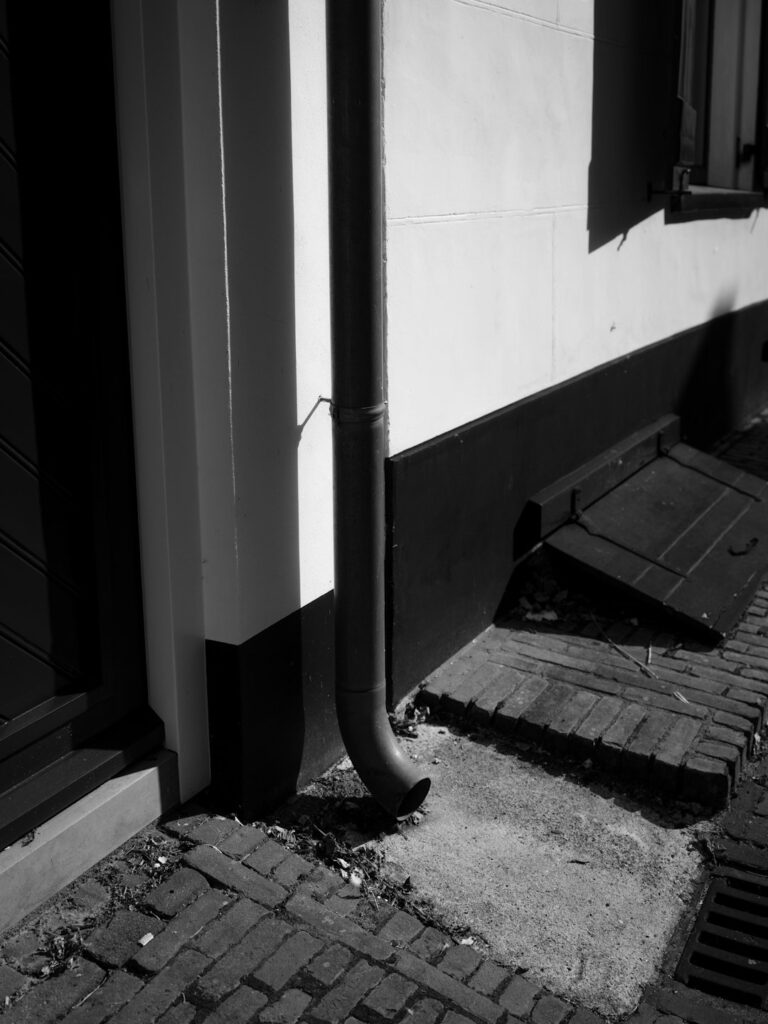
Proper drainage around a home helps move rainwater and melting snow away from the foundation, walls, walkways, and landscaped areas. In Easton, PA, where homes may experience heavy summer thunderstorms, winter precipitation, freeze-thaw cycles, and compacted urban or suburban soils, drainage problems can develop gradually and cause expensive damage if they are overlooked.
What does proper drainage around a home actually do?
Good drainage directs water away from the house and allows it to soak into the ground or flow safely toward an approved discharge point. The goal is not simply to remove water quickly, but to prevent water from collecting beside the foundation or moving toward areas where it can cause erosion or flooding.
A well-drained property generally does the following:
- Carries roof runoff away through gutters, downspouts, extensions, or underground drainage systems
- Slopes soil and pavement away from the foundation
- Prevents water from pooling near basement walls, window wells, steps, and low areas
- Reduces erosion around planting beds and walkways
- Keeps runoff from crossing onto neighboring properties or public walkways
Drainage is a system rather than a single feature. Even well-maintained gutters cannot compensate for soil that slopes toward the house. Likewise, a properly graded yard may still develop problems if downspouts discharge directly beside the foundation.
Why is drainage especially important for homes in Easton?
Local homes face changing weather and varied site conditions. Heavy rainfall can send a large volume of water from a roof into a small area within minutes. Winter snow and ice may later melt against foundation walls or frozen soil that cannot absorb water efficiently.
Older homes may have settlement, aging masonry, narrow side yards, or additions that changed the original flow of water. Dense neighborhoods can also have limited space for runoff to disperse naturally. Driveways, patios, sidewalks, and other hard surfaces add to the problem because they prevent rainfall from soaking into the soil.
Clay-heavy or compacted soil drains slowly. Soil disturbed during construction can also become dense enough to shed water rather than absorb it. These conditions make small grading defects more noticeable during storms.
How can poor drainage damage a foundation?
Water sitting beside a foundation increases pressure against the wall and can enter through cracks, joints, porous masonry, or poorly sealed openings. Repeated wetting and drying may also contribute to deterioration of concrete, mortar, and block surfaces.
Common warning signs include:
- Dampness or musty odors in a basement
- White, powdery mineral deposits on masonry
- Peeling paint or damaged wall coverings
- Cracks that appear damp after rain
- Water stains near floor-wall joints
- Puddles beside the foundation
- Soil pulled away from the foundation after drying
Not every basement moisture problem comes from surface drainage. Plumbing leaks, high indoor humidity, groundwater, and damaged foundation drains can produce similar symptoms. However, the exterior should be inspected whenever moisture appears after rain or snowmelt.
What are the most common drainage problems homeowners overlook?
The most frequent problems are often simple maintenance issues that become serious through repetition.
Downspouts discharge too close to the house. Water should not be released directly beside the foundation. Short or disconnected extensions can create a concentrated stream that saturates one small area.
Gutters are clogged or improperly pitched. Leaves, roof grit, and ice can block the flow. Gutters that sag may hold water instead of directing it toward downspouts.
The ground has settled near the foundation. Soil placed against a foundation often settles over time, creating a shallow basin where water collects.
Window wells fill with water. Basement windows below grade need a clear drainage path. Leaves and soil can block the bottom of a window well, allowing water to press against the window frame.
Paved surfaces slope inward. A driveway, patio, or walkway that tilts toward the house can direct runoff toward walls and doors.
Water is redirected without considering surrounding properties. Moving water away from one area can create erosion, ponding, or drainage conflicts elsewhere. Changes should be planned carefully, particularly in closely spaced neighborhoods.
How should a homeowner check drainage after a storm?
A storm inspection can reveal more than a dry-weather walk around the property. During or shortly after steady rain, observe where water flows and where it remains.
Check whether:
- Gutters overflow at corners or along roof edges
- Downspouts release water beside the foundation
- Water flows toward basement doors or window wells
- Puddles remain after surrounding areas begin drying
- Soil has washed away from planting beds
- Mulch or gravel has moved downhill
- Water crosses walkways, driveways, or property edges
- Exterior walls remain wet long after the rain ends

Photographs taken from the same locations after several storms can help identify patterns. A single puddle may be harmless, while repeated ponding in the same location indicates that the grade, soil, or drainage outlet needs attention.
What practical drainage improvements can help?
The appropriate solution depends on the source, volume, and destination of the water. Basic maintenance is often the first step:
- Clean gutters and confirm that downspouts are firmly connected
- Extend downspout outlets far enough to discharge away from the foundation
- Replace eroded soil beside the foundation with properly placed, compacted fill
- Keep window wells free of leaves and sediment
- Maintain a visible slope away from exterior walls
- Repair cracked or settled sections of paving that direct water inward
- Use soil-stabilizing plants or erosion-control materials on exposed slopes
- Keep drainage paths clear of stored materials, leaves, and snow
Water should not simply be pushed toward a neighbor, sidewalk, road, or area where it can freeze and become slippery. Any underground drain, retaining structure, regrading project, or connection to a public drainage system may involve local requirements and should be evaluated for safety and compliance.
Do French drains, sump pumps, and foundation drains solve every water problem?
No. Each system addresses a different condition.
A French drain collects and redirects water through a gravel-and-pipe trench. It may help with hillside runoff or persistent shallow groundwater, but it must have a suitable outlet and cannot function properly if the outlet is blocked.
A sump pump removes water collected inside a sump basin. It is useful for homes with interior foundation drainage, but it does not correct surface runoff flowing toward the house. A backup power plan may be necessary where basement flooding would create a serious risk during outages.
A foundation drain collects water near the footing and directs it away from the structure. If it is damaged, clogged, or absent, correcting the exterior grade alone may not resolve basement moisture.
Drainage features work best when they are matched to the actual source of water rather than installed as a generic fix.
When does a drainage issue require specialized evaluation?
Prompt evaluation is sensible when water enters a finished basement, foundation cracks are widening, retaining walls are leaning, soil is washing away rapidly, or water is undermining a walkway, stairway, or driveway. Electrical equipment exposed to water creates an immediate safety concern.
Professional or municipal guidance may also be necessary when drainage work could affect a shared boundary, public sidewalk, roadway, regulated waterway, septic system, or neighboring property. The objective is to control runoff without transferring the problem to another location.
For most households, the best starting point is a careful inspection of roof runoff, grading, paved surfaces, and low areas during actual wet weather. Understanding where water begins, how it travels, and where it stops provides the information needed to choose a safe and lasting solution.