

 See My Latest Article on HelloNation
Why Do Gutters and Downspouts Matter for Easton, PA Homes?
Properly maintained gutters and downspouts protect homes from water damage by channeling rainwater away from the foundation, siding, and landscaping. In Easton, the combination of seasonal leaf fall, spring rains, and occasional snowmelt creates significant water runoff. Clogged or damaged systems can lead to leaks, rot, basement flooding, and erosion—issues area households often find after a wet season.
How Often Should Gutters Be Cleaned and Inspected?
Generally, gutters should be checked twice a year—late spring and late autumn—though properties with overhanging trees may require more frequent attention. Many local yards have mature maples, oaks, or pines that shed heavily, especially in the fall. After nearby construction or storms, extra inspections help spot blockages caused by windblown debris.
Key times for inspection:
- After the pollen drop (late spring)
- Just after final autumn leaf fall
- Following severe storms with high winds
What Are the Signs That Gutters or Downspouts Need Maintenance?
Early detection of problems helps prevent costly repairs. Typical warning signs include:
- Water spilling over the sides rather than flowing through downspouts
- Sagging or detached gutter sections
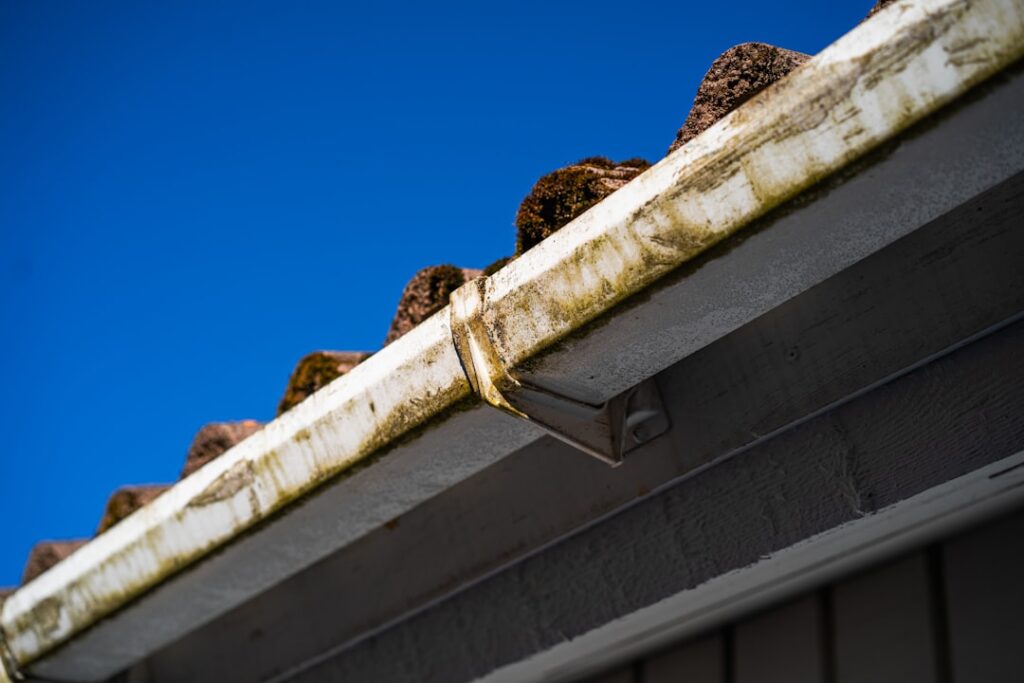
- Stains, mildew, or peeling paint around gutters or beneath the roofline
- Erosion or pooling water near the foundation
- Plant growth in the gutters (small weeds or moss)
Residents might also notice icicles or ice dams forming on the eaves in winter. These can indicate inadequate cleaning or ventilation above the attic.
How Can Gutters and Downspouts Be Safely Cleaned?
Routine cleaning involves removing leaves, twigs, and sediment so water can flow freely. Wear gloves, use a sturdy ladder placed on firm ground, and never lean away from the center line of the ladder.
Practical steps for manual cleaning:
1. Scoop out debris using a trowel or gutter scoop.
2. Drop material onto a tarp rather than tossing it onto landscaping.
3. Rinse gutters with a garden hose, starting near the downspout and working toward the closed end.
4. Check the downspout for clogs. If water pools in the gutter or doesn’t exit the downspout, flush upward from the bottom using a garden hose or flexible plumber’s snake.
Safety note: Homes with multi-story gutters, very steep roofs, or significant decay should exercise extra caution. Some tasks may warrant specialized equipment or additional help.
What Preventive Upkeep Helps Gutters and Downspouts Last?
Consistent maintenance and a few smart upgrades extend system life and performance:
- Ensure gutters are sloped (pitched) correctly—typically 1/4 inch per 10 feet toward the downspout.
- Fasten hangers or brackets tightly, looking for rust or missing screws.
- Repair minor leaks at seams with gutter sealant.
- Install splash blocks or downspout extenders to direct water several feet beyond the foundation.
- Trim back overhanging branches yearly to reduce leaf buildup and decrease storm-related debris.

For homes under heavy leaf cover, mesh screens or gutter guards limit clogs, though these still require periodic cleaning to prevent small debris from accumulating.
What Local Conditions Should Residents Be Aware Of?
The climate in Easton includes freeze-thaw cycles in late fall and early spring. Expanding ice can force open seams or widen small cracks. Residents sometimes find that poorly drained gutters contribute to damaging ice dams along roof edges, especially on older homes with attic insulation gaps.
The city’s seasonal pollen, maple “helicopters,” and occasional roof algae are other region-specific culprits. These can block gutters or promote organic buildup that retains moisture.
Removing nearby leaves before winter storms and checking system pitch after the first hard freeze each season can help head off common issues.
Can Gutters Be Taken for Granted if No Problems Are Visible?
Even if gutters appear unobstructed from below, small blockages inside can restrict flow and go unnoticed until overflow or damage occurs. Many area homes have mature landscaping that blocks clear views from the ground, so checking the actual channels is essential. Rust, cracks, or loose seams may not leak in a light drizzle but will fail under heavy rain.
It’s easy to assume new or recently cleaned systems are problem-free, but local wind patterns can refill gutters with debris quickly—sometimes within weeks during peak fall.
Are There Safe DIY Repair Options for Minor Issues?
Small leaks, loose fasteners, or minor sagging can often be addressed by:
- Applying gutter sealant to small holes or sections where two lengths meet.
- Replacing worn or missing gutter hangers with new ones rated for local snow loads.
- Using a rubber mallet to gently realign slightly bent sections.
- Inserting downspout extensions to move water farther from vulnerable foundations.
Ensure all repairs are stable enough to withstand Easton’s varied weather, especially freeze-thaw expansion, summer thunderstorms, and occasional late winter snow. Anything involving large sections, rot, or likely structural impact should be assessed carefully before attempting further repairs.