
 See My Latest Article on HelloNation
How Can You Tell If Your Roof Needs to Be Replaced in Easton, PA?
The need for a new roof can sneak up on homeowners, especially in areas with unpredictable weather like Easton, PA. While repairing minor damage is sometimes enough, there are clear signs that suggest it's time for a full replacement to maintain comfort and safety.
What Age Is the Roof?
Most residential roofs in Easton use asphalt shingles, which usually last 20 to 25 years. Tile and metal options have longer lifespans but are less common. If your roof is approaching or past this age—even without visible problems—consider an inspection.
Roofing structures on older homes may have multiple layers of shingles. In such cases, previous repairs might mask deeper deterioration.
Are There Persistent Leaks or Water Damage?
Short-lived leaks might be resolved with a patch, but chronic or unexplained water marks inside, especially after heavy local rain, often point to extensive underlayment failure or widespread shingle damage. In Easton's humid summers and brisk winters, trapped moisture can quickly rot roof boards.
- Stains on ceilings or walls
- Musty odors in attics
- Damp insulation
Any of these could indicate that your roof can no longer keep your home dry.
Do You See Missing, Curling, or Cracked Shingles?
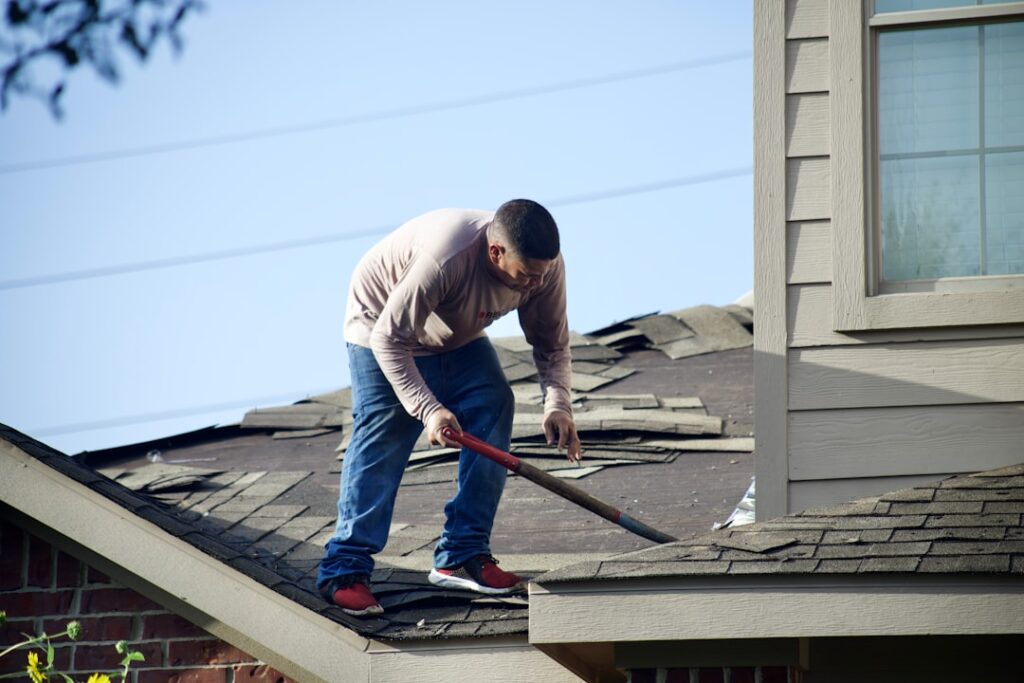
Shingle condition is a front-line indicator. In Easton, seasonal cycles of freezing, thawing, and storms commonly lead to:
- Shingles buckling, curling at the edges, or cracking in the middle
- Spots on the roof where shingles are completely missing
- Granules from shingles accumulating in gutters after storms
Because the pace of deterioration accelerates as shingles age, widespread visible problems usually mean it’s time for replacement, not just repairs.
Might Roof Sagging Mean Something Serious?
Sagging signals a structural problem—typically from long-term moisture penetration. In Easton’s varied climate, sagging often means roof boards or rafters are saturated or rotting.
Check for uneven roof lines either:
- From a distance outside (stepping back from the house)
- Inside the attic (looking for daylight between boards or visible dips)
Partial roof collapses are rare, but sagging shouldn’t be ignored even if leaks are minor.
What About Moss, Algae, or Dark Streaks?
Moss or algae are common on north-facing slopes or in shaded, tree-lined neighborhoods. While sometimes just cosmetic, heavy moss growth keeps surfaces wet and can degrade shingles. Dark streaks might be a type of algae or a sign of water runoff issues, both of which could shorten the remaining service life of the roof.

Try gently brushing moss; if shingles lift easily or feel brittle, they may have lost integrity.
How Well Does the Attic Ventilate?
Inadequate ventilation accelerates roof aging and is a common, overlooked factor in older Easton homes. Signs of poor ventilation include:
- Excessive heat in the attic during summer
- Frost or icy buildup on rafters in winter
- Condensation on roofing nails or beams
If fixing ventilation hasn't resolved these issues and shingle problems persist, roof replacement may be necessary for long-term prevention.
Are Energy Bills Creeping Higher?
Heating and cooling costs rising without clear reason can be an indirect sign of a failing roof. Gaps, missing shingles, and ventilation issues all contribute to greater energy loss. In Easton’s temperature swings, a compromised roof can make homes harder to keep comfortable year round.
Are There Signs of Animal or Pest Intrusion?
Squirrels, birds, and insects often exploit aging roofs. Evidence of nesting, noises in attic spaces, or visible entry holes often signals more extensive unseen damage, especially in older homes or those near parks and wooded areas in Easton. Addressing animal entry alone is insufficient if the roof itself is deteriorating.
What Are Common Misconceptions About Roof Longevity?
One misconception is that as long as leaks haven’t appeared, replacement isn’t necessary. However, especially in older homes, water damage can start in attic spaces and remain out of sight until substantial repairs are needed. Additionally, patching over a damaged roof layer may not prevent eventual replacement—but can delay necessary action until costs rise.
Regular visual checks, especially after seasonal storms, help spot problems early.
What Should Local Residents Consider Before Deciding?
Climate and tree coverage matter. Homes shaded by large trees in Easton see moss and debris build-up much faster. Roofs fully exposed to sun may have shingles age more uniformly, but UV exposure can also cause cracking. Historic homes in the area often have steeper roofs or unique materials, which might require closer, more expert evaluation to avoid damaging architectural features during replacement.
Deciding whether to replace or repair a roof involves a combination of visible signs, age, recent performance, and how well it fits local housing patterns and climate realities. Early attention—before dramatic water damage—can prevent more costly repairs, protect home value, and ensure safety for area families.